
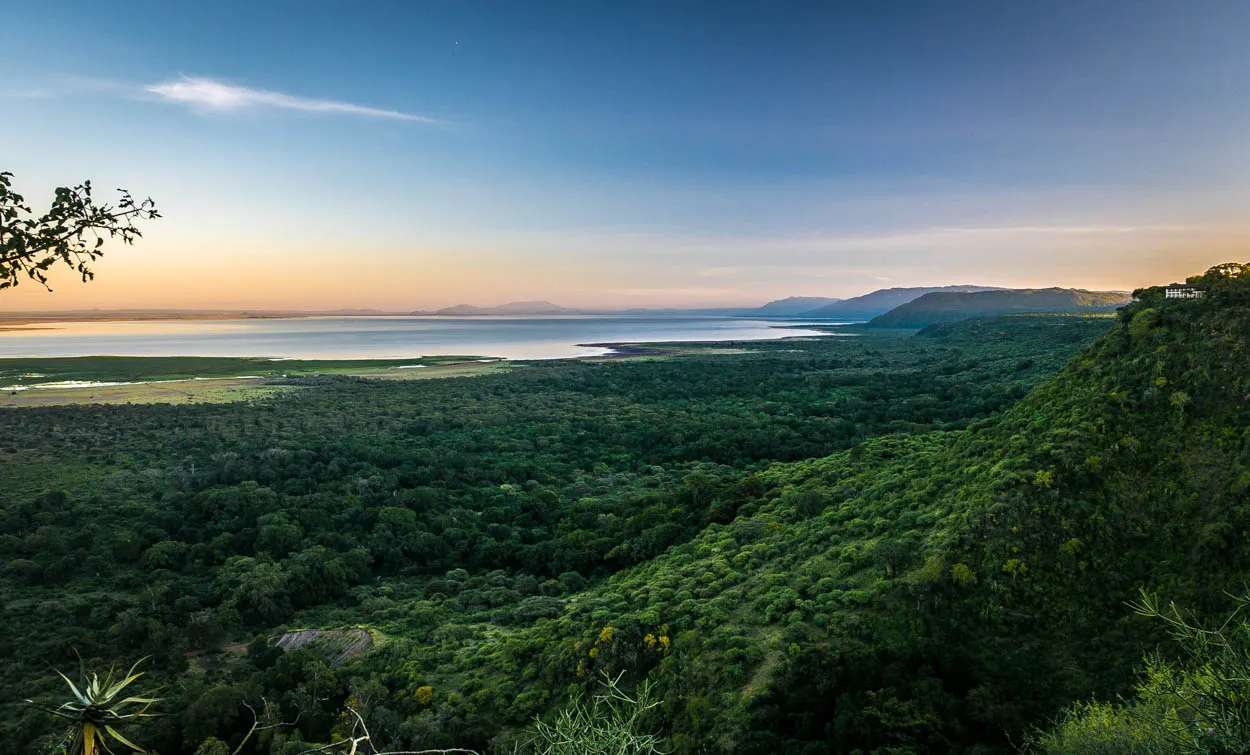
Tarangire National Park
Discover the rugged beauty of Tarangire National Park, a hidden gem in Tanzania’s northern circuit known for its iconic baobab trees and massive elephant herds. At Banana Africa Adventures, we specialize in showcasing the “Home of the Giants” with the professional care and local authority you deserve. While the park offers a quieter experience than its neighbors, its wildlife density during the dry season is truly legendary. Trust us to lead you through this ancient landscape for an authentic and unforgettable African safari.
History and Facts
Tarangire National Park was officially established in 1970 and covers approximately 2,850 $km^2$. Its name is derived from the Tarangire River, which carves through the landscape and serves as the only permanent water source for wildlife in the entire region during the long dry season.
- The Baobab Capital: The park is famous for its high concentration of ancient Baobab trees, some of which are believed to be over 1,000 years old.
- A Vital Lifeline: Historically, the park serves as a dry-season refuge for animals from the surrounding Maasai Steppe, making it a critical ecological hub.
- Multiple Ecosystems: The park’s terrain is remarkably diverse, ranging from granitic ridges and river valleys to vast swamps that stay green year-round, attracting a wide variety of species.
Wildlife and Attractions
Tarangire is most famous for having one of the highest concentrations of elephants in the world. During the peak months, it is not uncommon to see herds of up to 300 elephants gathering along the riverbanks. Banana Africa Adventures ensures you have the best vantage point to witness these majestic giants.
- The Big Five & More: While the rhino is absent, you can easily spot lions, leopards, and massive Cape buffalo. The park is also home to rare dry-country antelopes like the Long-necked Gerenuk and the Fringe-eared Oryx.
- Tree-Climbing Lions: Similar to Lake Manyara, Tarangire is one of the few places where you can witness lions lounging in the branches of acacia and sausage trees.
- A Birdwatcher’s Paradise: With over 550 species, the park boasts the highest number of breeding bird species in a single habitat anywhere in the world, including the endemic Ashy Starling and the Yellow-collared Lovebird.
The Great Wildebeest Migration
While the world-famous Great Migration of 1.5 million animals takes place in the Serengeti, Tarangire hosts its own spectacular “Mini-Migration.” This localized movement is a testament to the park’s importance as a seasonal sanctuary.
- The Dry Season Influx: From June to October, thousands of wildebeest and zebras migrate from the parched Maasai Steppe into Tarangire to access the permanent waters of the river.
- Predator Action: This massive concentration of migratory prey draws out the park’s apex predators, offering travelers intense and frequent sightings of lion and leopard hunts.
- A Unique Cycle: Unlike the Serengeti’s circular route, Tarangire’s migration is a “pulsing” movement—animals flood in when the surrounding areas dry up and disperse once the rains return in November.