
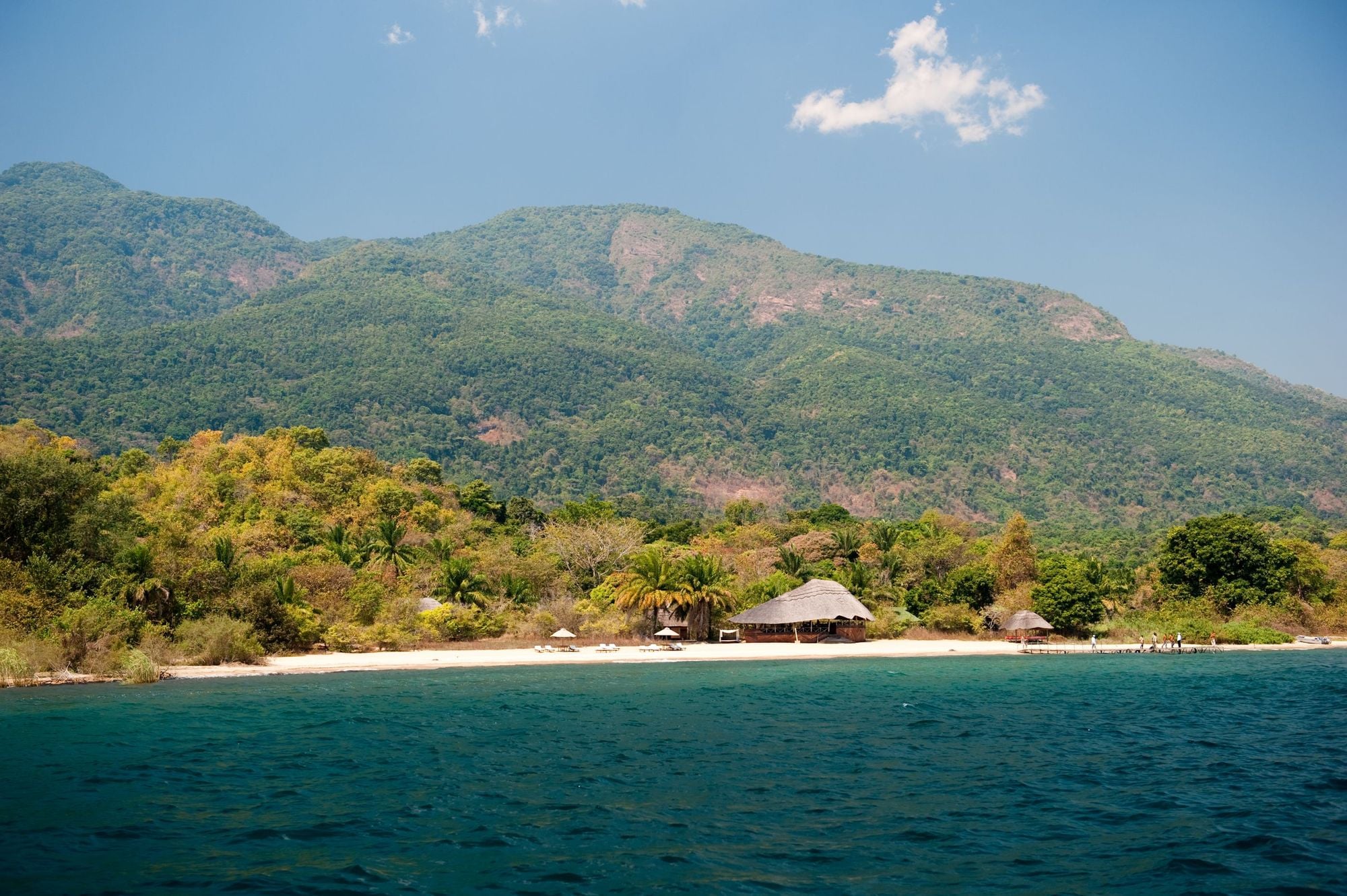
Mahale Mountains National Park
Experience one of the most remote and enchanting wilderness destinations in the world. Nestled on the shores of Lake Tanganyika, Mahale Mountains National Park is a place of breathtaking beauty, where lush forested peaks meet crystal-clear waters. At Banana Africa Adventures, we specialize in guiding you to this off-the-beaten-path paradise for a profound encounter with our closest living relatives. With no roads into the park, the journey itself is an adventure, accessible only by boat or air. Trust our local authority and professional logistics to provide an intimate, expert-led expedition into the heart of Africa’s premier chimpanzee sanctuary.
History and Facts about Mahale Mountains National Park
Mahale is a landscape steeped in natural wonder and a long history of scientific research and conservation.
- Establishment: The park was officially gazetted in 1985. Its creation was largely influenced by the pioneering research of Japanese primatologists who began studying the area’s chimpanzees in the 1960s.
- The Mountains: The park is dominated by the Mahale Mountains chain, with Mount Nkungwe rising to 2,462 meters as its highest peak.
- Lake Tanganyika: The park’s western boundary is the shore of Lake Tanganyika, the world’s longest and second-deepest freshwater lake, known for its incredible clarity and biodiversity.
- Remote & Roadless: In a world of increasing infrastructure, Mahale remains a true wilderness; there are no roads within the park, and all exploration is done on foot or by boat.
- Cultural Significance: The mountains are named after the Mahale people who traditionally inhabited the region and considered the peaks to be sacred.
Wildlife and Attractions in Mahale Mountains National Park
Mahale offers a unique “vertical” safari experience, where the forest meets the beach, creating a haven for primates and aquatic life alike.
- Chimpanzee Trekking: Mahale is world-famous for its population of roughly 1,000 chimpanzees. It is one of the few places where you can observe the “M-Group,” a community of habituated chimps that have been studied for over five decades.
- Primate Diversity: Beyond chimpanzees, the park hosts eight other primate species, including the red colobus, red-tailed monkey, and yellow baboons.
- Forest Dwellers: The dense jungle is home to leopards, bushbucks, and various forest birds. On the eastern slopes, you can even find lions and giraffes.
- Aquatic Wonders: Lake Tanganyika is home to over 250 species of cichlid fish, many of which are found nowhere else on earth. The lake’s clear waters are perfect for snorkeling, kayaking, and sunset dhow cruises.
- White Sand Beaches: Unlike any other safari destination, Mahale offers the luxury of relaxing on pristine, secluded beaches after a morning of trekking through the forest.
The Great Wildebeest Migration
While the thundering herds of the Great Migration are a staple of the Serengeti, Mahale Mountains National Park provides the perfect “hidden” contrast to the famous northern circuit.
- The Geographic Alternative: While the Serengeti represents the vast, open savannah of the migration, Mahale represents the deep, mysterious forests of the west. Many travelers with Banana Africa Adventures choose Mahale as a private, soulful conclusion to a high-energy migration safari.
- Ecosystem Distinction: Unlike the seasonal movement of the wildebeest, the wildlife in Mahale is primarily resident. The chimpanzees follow the fruiting cycles of the forest, providing a more intimate, stationary spectacle compared to the 800 km migration trek.
- The Water Connection: The same Rift Valley forces that created the migration’s path also formed Lake Tanganyika and the Mahale range. While the migration showcases the struggle for water on the plains, Mahale celebrates the abundance of the world’s greatest freshwater reservoir.
- The Ultimate Tanzania Circuit: We integrate Mahale into your itinerary to provide a complete picture of Tanzania—from the 1.5 million migrating animals of the north to the silent, profound connection of a chimpanzee’s gaze in the west.