
Ruaha National Park
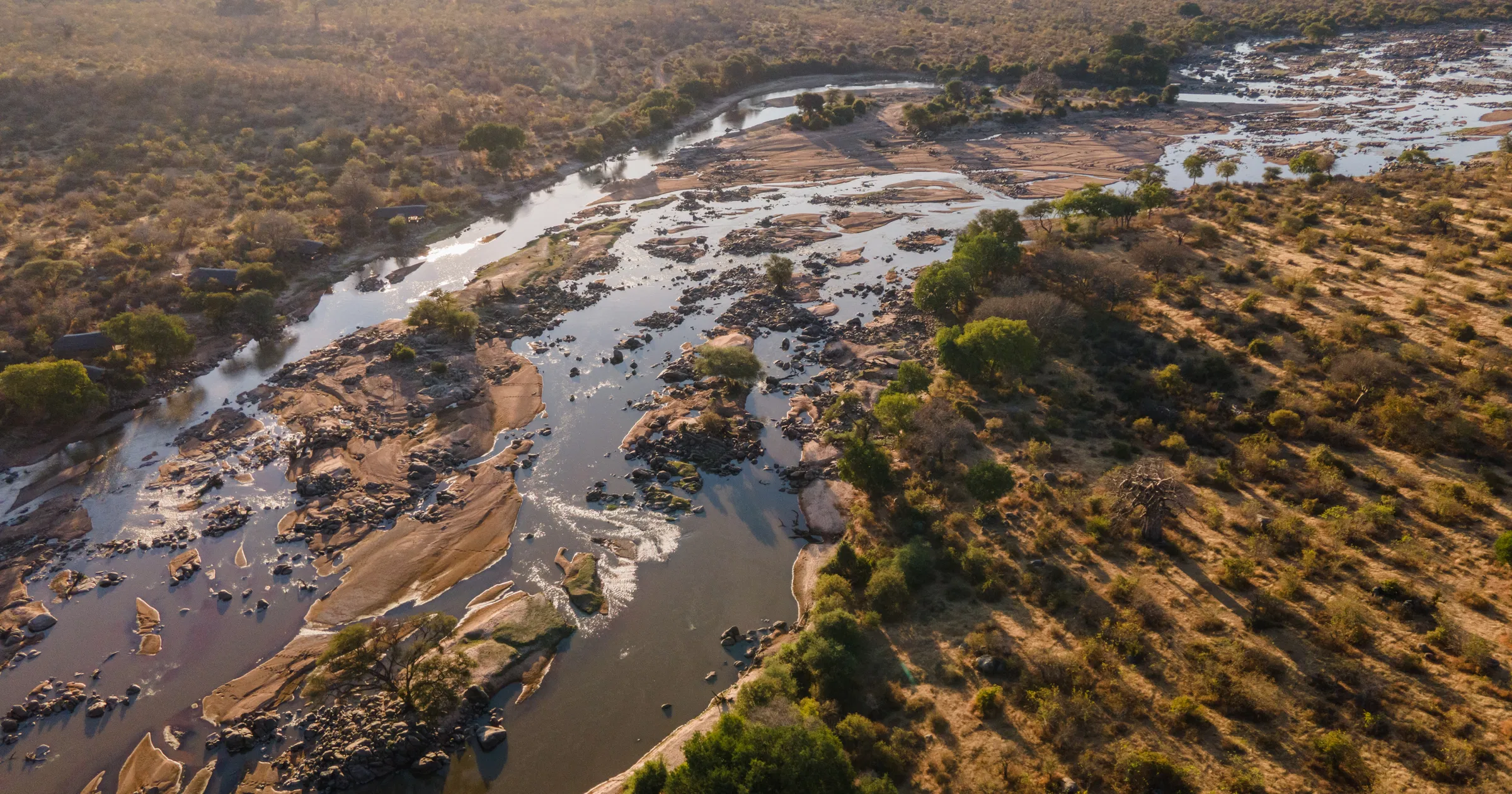
Welcome to the untamed heart of Tanzania. Ruaha National Park is a rugged wilderness that offers one of the most authentic and exclusive safari experiences in Africa. As Tanzania’s largest national park, it is a land of dramatic landscapes, from the Great Ruaha River to the ancient baobab forests. At Banana Africa Adventures, we invite you to explore this remote paradise where the solitude of the bush meets an incredible density of wildlife. With fewer visitors than the northern parks, Ruaha provides a professional and intimate encounter with the wild. Trust our local authority to guide you through this majestic southern sanctuary for a safari that is as raw as it is refined.
History and Facts about Ruaha National Park
Ruaha is a land steeped in legend and conservation history, serving as a vital core of the broader Rungwa-Kizigo-Muhesi ecosystem.
- Ancient Inhabitants: The park was once the home of the Wahehe people, and the name “Ruaha” is derived from the Hehe word Ruvaha, meaning “river.”
- Establishment: Originally part of the Saba Game Reserve created by the German colonial administration in 1910, it was re-gazetted as the Rungwa Game Reserve by the British in 1946. It was officially elevated to National Park status in 1964.
- Vast Scale: In 2008, the park was expanded to include the Usangu wetlands, making it approximately 20,226 $km^2$. It is the largest national park in Tanzania and the second largest in East Africa.
- The Lifeline: The Great Ruaha River flows along the park’s southeastern border, acting as the primary water source for wildlife and a central feature for game viewing.
- Ecological Crossroad: Ruaha is unique because it sits on the transition zone where East African and Southern African flora and fauna overlap, creating a biodiversity found nowhere else on the continent.
Wildlife and Attractions in Ruaha National Park
Ruaha is a predator’s paradise and a sanctuary for some of Africa’s most iconic and rare species. Banana Africa Adventures takes you to the center of the action in this high-density wildlife haven.
- The Lion Stronghold: Ruaha is home to 10% of the world’s lion population, including legendary prides that are known for their prowess in hunting large prey like buffaloes.
- Rare Predators: This is one of the best places in Africa to spot the endangered African wild dog, alongside high numbers of leopards and cheetahs.
- The Land of Giants: The park supports one of Tanzania’s largest populations of elephants, which roam freely through the iconic baobab-studded landscapes.
- Unique Antelopes: Due to its transitional geography, you can find both Greater and Lesser Kudu, as well as the majestic Sable and Roan antelopes, all in the same park.
- Birding Spectacle: With over 570 bird species, including the endemic Ruaha red-billed hornbill and the ashy starling, it is a premier destination for birdwatchers, especially when migratory species arrive from November to April.
The Great Wildebeest Migration
While the world-famous 800 km Great Migration is the hallmark of the Serengeti-Mara ecosystem, Ruaha National Park offers a different but equally compelling perspective on the cycles of African wildlife.
- The Southern Alternative: While the Serengeti hosts the 1.5 million migrating animals, Ruaha represents a more permanent and stationary wilderness. Many travelers with Banana Africa Adventures choose Ruaha as a quiet, authoritative alternative to the crowded migration routes.
- Seasonal Concentrations: While Ruaha does not have the “Great Migration,” it experiences its own “Dry Season Concentration.” From June to October, thousands of animals migrate toward the Great Ruaha River as other water sources dry up, creating a spectacle of predator-prey interaction that rivals the northern migration.
- Ecosystem Connection: Ruaha serves as a vital genetic link for predators like lions and wild dogs that exist outside the migration corridors. It offers a “Pure Africa” experience where the wildlife isn’t constantly on the move but is instead thriving in a stable, ancient habitat.
- The Complete Narrative: We use Ruaha to provide the “Big Picture” of Tanzania. While the Great Migration showcases the struggle of life on the move, Ruaha showcases the strength of life in a vast, protected stronghold. It is the perfect professional addition for those who have already seen the migration and want to go deeper into the wild.