
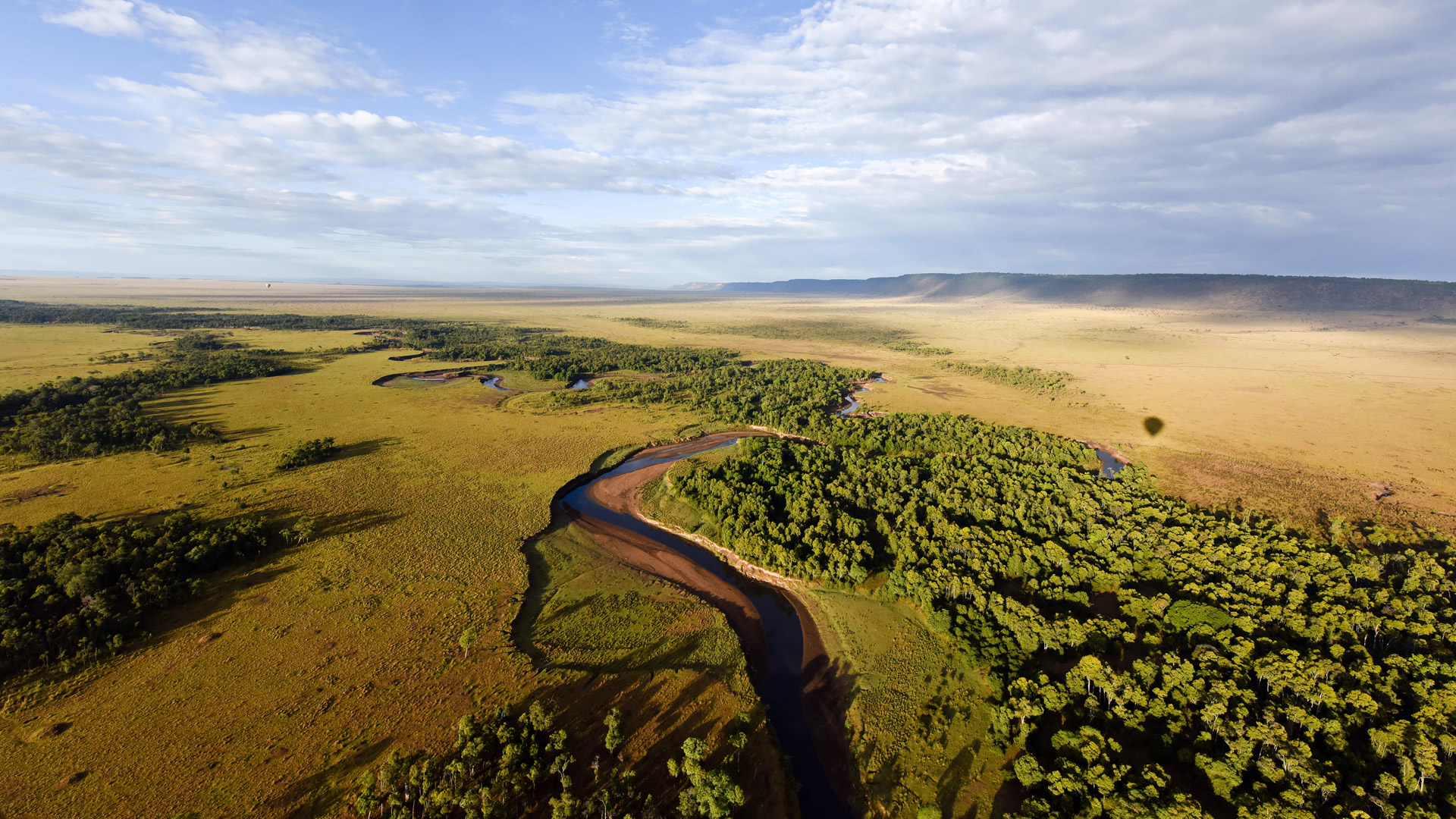
Masai Mara National Reserve
Welcome to the world’s premier wildlife theater. Masai Mara National Reserve is a land of breathtaking vistas, where golden savannahs meet endless skies. Named in honor of the ancestral Maasai people and the “Mara” (spotted) appearance of the landscape, this reserve is the northern jewel of the greater Serengeti-Mara ecosystem. At Banana Africa Adventures, we invite you to explore this legendary landscape with professional expertise and local authority. Whether you are tracking the “Big Five” or witnessing the thunder of the Great Migration, our team ensures a seamless, safe, and deeply moving safari experience. Trust us to lead you through Kenya’s most iconic wilderness for a journey that resonates long after you leave the plains.
History and Facts about Masai Mara National Reserve
The Masai Mara is a landscape rich in both natural and human history, serving as a global symbol for wildlife conservation.
- Establishment: Originally established in 1961 as a small wildlife sanctuary (520 $km^2$), it was expanded and officially designated as a National Reserve in 1974. Today, it covers roughly 1,510 $km^2$.
- The Name: The word “Mara” means “spotted” in the Maa language, describing the way the shadows of the clouds, acacia trees, and scrub appear on the vast plains from a distance.
- Ancient Heritage: Evidence of Neolithic human settlements, including pottery and arrowheads, has been discovered within the reserve, proving that humans and wildlife have coexisted here for thousands of years.
- The Maasai People: The reserve is uniquely managed with the local Maasai communities, who have grazed their cattle alongside wild animals for centuries. This partnership is a global model for community-based conservation.
- Geology: Located in the Great Rift Valley, the reserve’s topography includes open grasslands, riverine forests, and the dramatic Oloololo (Siria) Escarpment to the west.
Wildlife and Attractions in Masai Mara National Reserve
The Masai Mara boasts one of the highest densities of wildlife on the planet, making every game drive an opportunity for a world-class sighting. Banana Africa Adventures takes you to the heart of this animal kingdom.
- The Big Five: The reserve is one of the best places in Africa to see the Lion, Leopard, African Elephant, Cape Buffalo, and Black Rhino. It specifically hosts Kenya’s largest lion population, including the famous “Marsh Pride.”
- Predator Central: Beyond the Big Five, the Mara is a haven for cheetahs, spotted hyenas, and jackals. The open plains provide the perfect visibility for witnessing high-speed hunts.
- Hippos and Crocodiles: The Mara River is home to massive pods of hippos and some of the world’s largest Nile crocodiles, some reaching over 5 meters in length.
- Birding Paradise: Over 470 bird species have been recorded, including 57 species of raptors. Look for the elegant lilac-breasted roller, the secretary bird, and the majestic martial eagle.
- Hot Air Ballooning: One of the Mara’s most iconic attractions is the sunrise hot air balloon safari, offering a silent, bird’s-eye view of the herds moving across the savannah.
The Great Wildebeest Migration
Often called the “Eighth Wonder of the World,” the Great Wildebeest Migration is the defining spectacle of the Masai Mara National Reserve.
- The Arrival: Every year between July and October, over 1.5 million wildebeest, 200,000 zebras, and hundreds of thousands of gazelles pour into the Mara from the Serengeti in Tanzania.
- The River Crossings: The climax of the migration occurs at the Mara River. Witness the heart-stopping drama as thousands of animals plunge into the water, dodging giant crocodiles and strong currents in a desperate bid to reach the lush green grass on the other side.
- Predator Feast: This influx of life provides a seasonal bounty for the Mara’s predators. Lions, leopards, and hyenas are at their most active during these months, following the herds across the plains.
- A Cycle of Life: While the river crossings are the most famous event, the migration is a year-round journey. The Mara provides the critical dry-season grazing that sustains these massive herds before they return south in November.
- The Experience: Banana Africa Adventures positions you at the most strategic points to witness this raw display of survival, providing a professional and authoritative perspective on nature’s greatest show.